


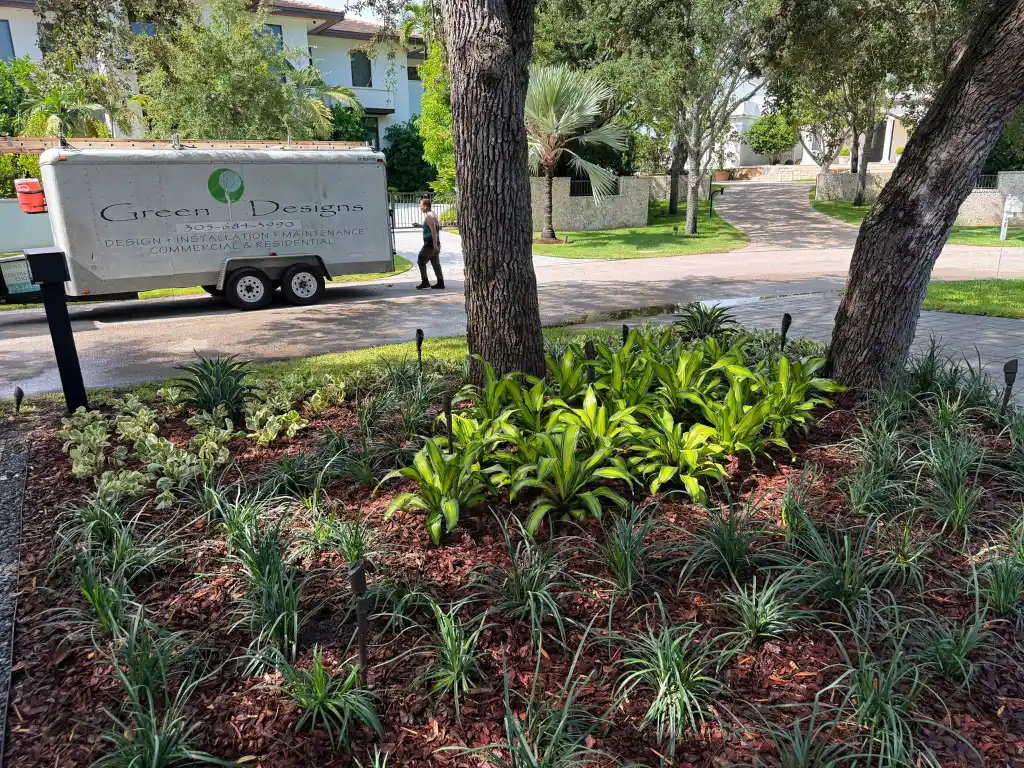
If you are staring at an unfinished yard, planning a pool, or imagining a more sophisticated outdoor living space, the biggest question is often when to hire a landscape designer.
The short answer: hire one before construction or planting begins, especially when several elements need to work together. Early design can bring the site, architecture, planting, hardscape, lighting, irrigation, and long-term maintenance into one cohesive plan.
For South Florida properties, that planning matters even more because climate, drainage, plant performance, and outdoor-living needs all influence the final result.
Signs It Is Time to Hire a Landscape Designer
You do not need a complicated property to benefit from professional design. A designer becomes particularly valuable when:
- You are renovating the entire property. A master plan prevents individual improvements from feeling disconnected.
- You are adding a pool or outdoor living area. Patios, planting, pathways, lighting, privacy, and circulation should be considered together.
- You are building a new home. Landscape planning alongside architecture can create a more intentional transition between indoor and outdoor spaces.
- Your property has drainage, grading, or difficult site conditions. These issues should be addressed before attractive finishes and plants are selected.
- You want a specific aesthetic. Professional plant selection, proportions, materials, and repetition can create a more polished result than purchasing elements individually.
- You want to phase the investment. A master plan can establish the complete vision while allowing portions of the landscape to be implemented over time.
The Green Design Collective, for example, approaches landscape projects through discovery, design, build, and ongoing stewardship rather than treating planting as an isolated task.
The Best Time to Hire: Before You Build
One of the most common mistakes is hiring a designer after major decisions have already been made.
By then, pool placement may be fixed, utilities may be installed, grading may be established, or expensive hardscape may already be underway. A designer has fewer opportunities to improve the overall composition.
Ideally, involve your landscape designer during the planning stage. This allows the design to respond to the home’s architecture, property layout, circulation, views, privacy requirements, planting conditions, and intended use.
For a new construction or major renovation, bringing landscape professionals into the conversation early can also make coordination with architects, builders, pool contractors, and other trades more effective. Landscape architecture itself combines design, planning, environmental analysis, and technical problem-solving.
Landscape Designer vs. Landscape Architect
The right professional depends on the scope and technical requirements of the project.
| Landscape Designer | Landscape Architect |
| Ideal for planting, gardens, outdoor living, and residential landscapes. | Ideal for complex site planning, grading, drainage, and structural needs. |
| Focuses on aesthetics, plants, materials, and functionality. | Combines design with technical and environmental planning. |
| Qualifications and services vary by location. | Licensing requirements vary by state and jurisdiction. |
If your project involves significant grading, drainage, retaining walls, structural work, or permitting requirements, determine whether a licensed landscape Designer is needed locally. Requirements can vary by jurisdiction.
What Should Happen Before Design Begins?
A good landscape design starts with understanding the property—not choosing plants from a catalog.
Before the concept is developed, consider:
- How you want to use the outdoor space
- Which areas need privacy or shade
- Existing trees and landscape features worth preserving
- Drainage and soil conditions
- Sun exposure and microclimates
- Pool, patio, kitchen, or entertaining requirements
- Desired maintenance level
- Your priorities and realistic investment range
A professional site evaluation can turn these considerations into a practical design strategy. The Green Design Collective describes its landscape design process as including site analysis, master planning, plant selection, irrigation, hardscape, water features, and project coordination.
What Happens If You Wait?
Waiting is not always disastrous, but it can limit your options.
For example, choosing a patio before determining circulation may create awkward transitions. Selecting plants without considering irrigation or mature size can lead to future maintenance problems. Installing landscape lighting as an afterthought can also mean compromising on placement or burying additional infrastructure later.
The goal of professional design is not simply to make a property look attractive. It is to make the individual decisions to support one another.
How to Know You Have the Right Designer
Review whether the designer’s portfolio demonstrates experience with properties similar to yours. Ask how they approach site evaluation, plant selection, hardscape, irrigation, budget priorities, construction coordination, and maintenance.
Most importantly, look for someone who listens. Your landscape should reflect how you actually live outdoors rather than simply reproducing a design trend.
For South Florida homeowners, local experience is particularly valuable because plant performance and landscape decisions need to respond to the region’s tropical and subtropical conditions. The Green Design Collective specifically serves Miami-Dade and Broward County properties and incorporates tropical horticulture and site-specific landscape planning into its work.
When to Hire a Professional Landscape Designer
The best time to hire a landscape designer is before the major decisions are locked in. If your project involves multiple outdoor elements, a new home, a major renovation, or a desire for a cohesive long-term landscape, professional planning can give those decisions a clear direction.
For homeowners considering a refined outdoor environment in Miami or across South Florida, explore The Green Design Collective’s landscape design services. You can also request a private consultation to discuss your property and project goals.
FAQs
When should I hire a landscape designer?
Hire a landscape designer before construction, planting, or major site changes begin. Early involvement allows the entire property to be planned as one cohesive outdoor environment.
Is a landscape designer worth it for a small yard?
Yes, particularly when space is limited or several functions need to fit together. A designer can help improve layout, plant selection, circulation, privacy, and usability without relying on trial and error.
Should I hire a landscape designer before installing a pool?
Yes. Landscape planning before pool installation can help coordinate the pool, surrounding hardscape, planting, privacy, lighting, drainage, and outdoor living areas as one design.
What does a landscape designer do?
A landscape designer can develop concepts and plans for planting, outdoor living, hardscape, circulation, lighting, and other landscape elements. Depending on the professional and project, they may also coordinate installation and project execution.
Do I need a landscape architect or landscape designer?
It depends on the project’s complexity and local requirements. Projects involving substantial grading, drainage, structural elements, or regulatory requirements may call for a licensed landscape architect.
Can a landscape design be completed in phases?
Yes. A comprehensive master plan can establish the long-term vision while allowing construction or planting to happen in manageable phases. This can be useful when the property has multiple priorities or the owner wants to spread the investment over time.