


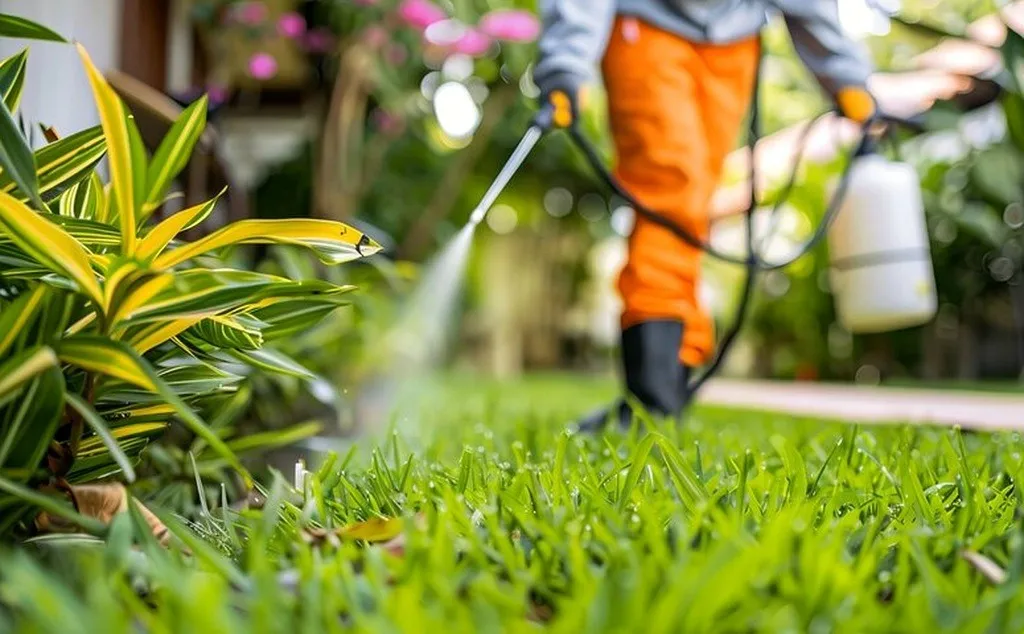
Maintaining a healthy lawn in Shenandoah, Miami, requires more than regular mowing and watering. South Florida’s warm temperatures, humidity, and seasonal rainfall can create favorable conditions for lawn-damaging insects, fungal diseases, and other turf problems. Without proper lawn care, pests can cause yellow patches, thinning grass, damaged roots, and uneven growth that affect your property’s overall appearance.
Homeowners can minimize lawn pest damage through regular inspections, proper irrigation, consistent mowing, and effective pest management. Identifying common lawn pests early and recognizing the signs of infestation can help prevent widespread turf damage and maintain a healthy, green lawn throughout the year.
Whether you maintain your own yard or work with a professional landscape designer, these practical tips can help you maintain a greener, healthier lawn in Shenandoah.
Why Is Lawn Pest Control Important in Shenandoah?
Shenandoah’s subtropical climate allows many insects to remain active for much of the year. Warm weather, moist soil, dense turf, and inconsistent lawn maintenance can contribute to pest activity and other turf health problems.
Common lawn pests in South Florida include chinch bugs, mole crickets, armyworms, and white grubs. Different pests attack different parts of the grass. Some feed on blades and stems, while others damage roots, making it difficult for turf to absorb water and nutrients.
However, not every brown or yellow patch indicates an insect infestation. Overwatering, drought stress, poor drainage, nutrient deficiencies, and fungal diseases can produce similar symptoms. Identifying the underlying cause before applying a treatment is essential for effective lawn protection.
Which Lawn Pests Should Homeowners Watch For?
Recognizing common turf insects helps you respond quickly and avoid unnecessary treatments.
1. Chinch Bugs
Chinch bugs are important pests of St. Augustinegrass, a common turfgrass in South Florida. They feed on grass tissue and can cause irregular yellow or brown patches that gradually expand.
Damage often appears in hot, sunny areas of the lawn, particularly when grass is already stressed by drought or poor maintenance.
Inspect the edges of damaged patches for small insects and compare affected areas with nearby healthy grass. Because drought stress can look similar, confirm the cause before choosing a pest treatment.
2. White Grubs
White grubs are the immature stages of certain beetles. These soil-dwelling insects feed on grass roots, weakening the turf and making it difficult for the lawn to absorb water effectively.
Signs of grub damage can include thinning grass, irregular brown patches, and turf that lifts easily because its roots have been damaged.
Not every grub requires treatment. A lawn professional can determine whether the number of grubs and the extent of damage justify intervention.
3. Armyworms and Mole Crickets
Armyworms feed on grass blades and may damage sections of a lawn rapidly when populations increase. Mole crickets can tunnel through soil and disturb roots, resulting in thinning turf and uneven ground.
Look for chewed grass blades, unusual insect activity, raised tunnels, or areas where grass appears to be declining despite appropriate watering.
Prompt identification allows you to select a suitable control method rather than treating the entire lawn without a confirmed reason.
What Are the Best Ways to Prevent Lawn Pest Damage?
Prevention starts with healthy turf and consistent lawn maintenance. The following practices can reduce conditions that encourage pest problems.
1. Mow Your Lawn at the Correct Height
Cutting grass too short can weaken its ability to withstand heat, drought, and insect damage. Maintain the recommended mowing height for your turfgrass variety, and avoid removing too much leaf growth in a single mowing session.
Keep mower blades sharp to produce clean cuts and reduce unnecessary stress. Mow when the grass is dry enough to avoid tearing, clumping, and spreading debris across the lawn.
2. Water Deeply and Avoid Overwatering
Improper irrigation can weaken grass and contribute to disease problems. Water according to your lawn’s needs, soil conditions, rainfall, and local watering restrictions.
Watering early in the morning generally gives grass time to dry during the day. Check sprinkler coverage to identify dry spots, leaks, or areas receiving excessive water.
Avoid following a rigid watering schedule when rainfall has already supplied sufficient moisture. Balanced irrigation helps promote stronger roots and healthier turf.
3. Inspect Your Lawn Regularly
Walk around your property periodically and look for discoloration, thinning grass, damaged blades, unusual insect activity, and changes in soil conditions.
Pay particular attention to sunny lawn edges, areas near sidewalks, and spots where grass has previously struggled. Early detection makes it easier to identify potential pest problems before they spread.
4. Maintain Soil and Fertilizer Balance
Healthy soil supports stronger root development and improves the lawn’s ability to recover from environmental stress. Use soil testing when necessary to understand nutrient levels and soil conditions.
Apply fertilizer according to your grass type, growing season, and local recommendations. Excessive fertilizer can encourage unsuitable growth, contribute to nutrient runoff, and create additional maintenance problems.
Avoid assuming that more fertilizer will solve insect damage. Pest management and lawn nutrition are separate needs that should be addressed appropriately.
What Lawn Care Practices Help Prevent Pest Problems?
| Lawn care factor | General recommendation | Benefit |
| Mowing | Maintain the appropriate height for your grass | Reduces unnecessary turf stress |
| Irrigation | Adjust watering to rainfall and lawn needs | Helps prevent drought and excess moisture |
| Inspection | Check for damage regularly | Supports early pest identification |
| Fertilization | Follow soil and grass-specific recommendations | Encourages balanced turf growth |
| Pest treatment | Confirm the pest before applying controls | Reduces unnecessary chemical use |
These are general lawn care recommendations rather than measured statistics or a guaranteed treatment schedule. Actual requirements depend on the turfgrass variety, property conditions, and pest species.
How Can Professional Lawn Pest Control Help?
Some pest problems require more than routine mowing and watering. When brown patches continue to spread, grass begins lifting from the soil, or insects repeatedly damage the same areas, professional lawn pest control can help identify the cause and determine the most appropriate response.
A lawn care specialist can evaluate turf conditions, irrigation coverage, soil health, and visible insect activity. Accurate diagnosis helps distinguish insect damage from fungal disease, nutrient deficiencies, and other common lawn problems.
The Green Design Collective offers professional lawn pest control services in Miami , including lawn insect control, grub control, preventative treatments, landscape plant pest management, and lawn health monitoring. Its approach considers individual property conditions and the importance of combining pest management with ongoing lawn care.
When evaluating a lawn maintenance company, ask whether its team can identify common South Florida turf pests, explain treatment options, and recommend appropriate preventive measures. Treatments should be selected for the identified pest and applied according to product directions and applicable regulations.
What Should You Do If Your Lawn Already Has Pest Damage?
If you notice significant turf damage, avoid immediately applying multiple insecticides or fertilizers. Start by documenting the affected areas and checking whether the grass is receiving appropriate water and sunlight.
Next, identify the likely cause. Inspect grass blades and the soil near damaged patches, and look for insects, feeding marks, tunneling, or weakened roots. If the cause remains unclear, consult a qualified lawn care professional.
Once the problem is identified, follow a targeted treatment plan. Depending on the issue, this may involve appropriate pest control, irrigation adjustments, mowing changes, or replacing severely damaged turf.
After treatment, monitor the lawn for improvement. Some areas may recover naturally, while others may require additional care. Continued inspections help determine whether the original problem has been resolved or further action is needed.
The Green Design Collective can be a useful resource for homeowners seeking professional lawn pest management and ongoing landscape care in the Miami area.
Protect Your Shenandoah Lawn With Consistent Care
Protecting a Miami lawn from pests in Shenandoah starts with understanding local growing conditions and recognizing early warning signs. Proper mowing, balanced irrigation, healthy soil, and regular inspections help create stronger turf that can better withstand environmental stress.
When pest damage appears, identifying the responsible insect before choosing a treatment is essential. Combining targeted pest control with consistent lawn maintenance can help prevent recurring problems and protect your outdoor investment.
With the right preventive practices and guidance from an experienced professional when needed, you can maintain a healthier, greener lawn that enhances your Shenandoah property’s appearance throughout the year.
FAQs
What Are the Most Common Lawn Pests in Shenandoah, Miami?
Common lawn pests in Shenandoah include chinch bugs, white grubs, armyworms, and mole crickets. These insects can damage grass blades, roots, and soil, leading to yellow patches, thinning turf, and uneven lawn growth.
How Can I Prevent Lawn Pests in My Miami Yard?
You can prevent lawn pests by mowing at the correct height, watering appropriately, inspecting your lawn regularly, and maintaining healthy soil. Consistent lawn care helps reduce turf stress and makes it easier to identify pest problems early.
How Do I Know If My Lawn Has a Pest Infestation?
Signs of a lawn pest infestation include expanding brown patches, chewed grass blades, thinning turf, damaged roots, and unusual insect activity. Since these symptoms can also indicate fungal disease or watering problems, identify the underlying cause before applying pest treatments.
When Should I Hire a Professional Lawn Pest Control Service in Miami?
Consider hiring a professional when lawn damage spreads quickly, grass repeatedly turns brown, or routine maintenance fails to improve turf health. A lawn care specialist can identify the pest, assess the damage, and recommend targeted treatment options.
Does Professional Lawn Pest Control Help Keep Grass Healthy Year-Round?
Professional lawn pest control can help manage insect infestations and reduce the risk of recurring damage when combined with proper mowing, irrigation, and soil care. Regular inspections and pest-specific treatments help maintain healthier turf throughout Miami’s warm, humid seasons.