


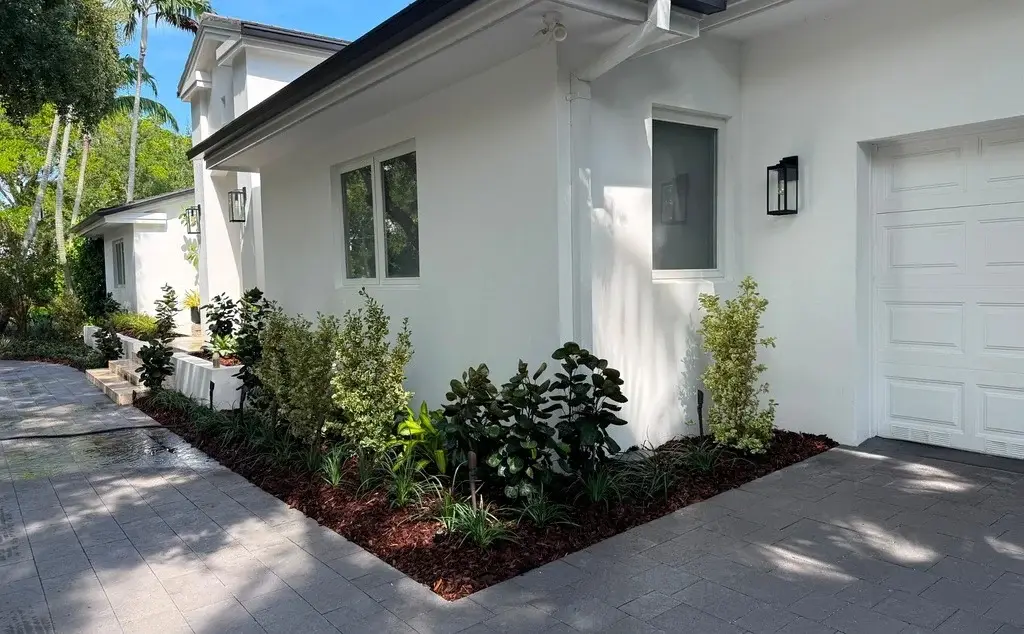
Creating a beautiful backyard in Coconut Grove, Florida, requires more than selecting attractive flowers and tropical trees. The area’s warm climate, humidity, seasonal rainfall, and coastal influences make plant selection an important part of successful landscape design. Choosing the right combination of native plants, tropical foliage, flowering shrubs, and shade trees can transform an ordinary yard into a welcoming outdoor retreat.
Whether you want a lush tropical garden, a contemporary outdoor living space, or a low-maintenance backyard, understanding your property’s conditions will help you make informed landscaping decisions. With thoughtful planning and guidance from an experienced landscape designer, you can create a landscape that balances beauty, functionality, and long-term plant health.
What Makes Plant Selection Important in Coconut Grove?
Coconut Grove’s subtropical climate supports a wide variety of tropical and subtropical plants. However, not every species thrives in every backyard. Sun exposure, soil drainage, available space, irrigation, and exposure to wind and salt can all influence plant performance.
Before purchasing plants, assess how sunlight moves across your property throughout the day. Identify areas that remain shaded beneath existing trees, spaces exposed to intense afternoon sun, and locations where water collects after heavy rain.
These observations help determine which plants will flourish in each section of your backyard. A well-planned landscape also reduces unnecessary replacements, improves water efficiency, and creates a cohesive outdoor environment.
Which Plants Are Best for a Coconut Grove Backyard?
The best plants depend on your landscape goals, maintenance preferences, and the conditions of your property. Combining different plant types creates depth, visual interest, and year-round appeal.
1. Choose Native Plants for Long-Term Performance
Florida native plants are an excellent starting point for sustainable backyard landscaping. Species such as firebush, coontie, and Simpson’s stopper can provide attractive foliage, flowers, berries, or structure while supporting local wildlife.
Native plants are adapted to regional growing conditions, although their water and sunlight requirements still vary. Once established in suitable locations, many require less supplemental irrigation than poorly matched alternatives.
Consider native planting around property boundaries, garden beds, and pathways to create a natural appearance that complements Coconut Grove’s lush surroundings.
2. Add Tropical Plants for Texture and Color
Tropical plants bring the distinctive character many homeowners want in a South Florida backyard. Options such as crotons, heliconias, gingers, and selected palms introduce contrasting foliage, architectural shapes, and vibrant colors.
Use larger foliage plants as focal points near patios or outdoor seating areas. Medium-height plants can define garden beds, while smaller varieties soften the edges of walkways and hardscaping.
Avoid filling every available space with bold foliage. A balanced planting scheme uses repetition, complementary colors, and varied leaf textures to create a sophisticated tropical garden.
3. Select Trees for Shade and Privacy
Shade trees can make outdoor spaces more comfortable while establishing a strong visual framework for the landscape. Depending on available space and site conditions, suitable Florida-native options may include gumbo limbo and live oak.
Before planting, consider mature canopy width, root growth, overhead utilities, and the distance from buildings, pools, and paved surfaces. Large trees need adequate room to develop without creating avoidable maintenance issues.
For privacy, combine appropriately sized trees with shrubs rather than relying on a single dense row of plants. This layered approach creates a softer boundary and can improve the overall appearance of your backyard.
4. Incorporate Flowering Plants and Ground Covers
Flowering plants introduce seasonal color, while ground covers help create a finished appearance between larger planting areas. Choose varieties according to their sunlight requirements, growth habits, and tolerance for local conditions.
Use flowering shrubs near entry points and entertaining areas where their color can be appreciated. Ground covers can soften borders and reduce exposed soil, but they should be selected carefully to avoid invasive species.
What Should You Consider Before Choosing Plants?
Successful plant selection begins with understanding the landscape’s practical requirements. The following considerations can help you narrow down suitable options.
| Landscape factor | General consideration | Why it matters |
| Sunlight | Full sun, partial shade, or deep shade | Determines plant growth and flowering |
| Soil and drainage | Sandy, compacted, or poorly drained soil | Influences root health and irrigation needs |
| Mature plant size | Expected height and spread | Prevents overcrowding and costly pruning |
| Water requirements | Low, moderate, or high | Supports efficient irrigation planning |
| Maintenance | Pruning, cleanup, and seasonal care | Helps match the garden to your lifestyle |
These are general planning considerations, not measured statistics for every Coconut Grove property. A site assessment provides more reliable information about your backyard’s specific conditions.
How Can Professional Landscape Design Improve Your Backyard?
Working with a professional landscape designer can help you choose plants that complement your home’s architecture and thrive in the local environment. An experienced designer considers more than individual plant choices; they develop a cohesive plan that connects garden beds, shade, pathways, lighting, irrigation, and outdoor living areas.
For example, The Green Design Collective offers landscape design and build services, including master planning, hardscape design, landscape lighting, and native planting. These services can help homeowners create an integrated backyard rather than a collection of disconnected garden features.
The Green Design Collective also emphasizes a process that moves from consultation and design through installation and ongoing maintenance. This approach can be useful when planning a landscape that needs to look polished while remaining practical to maintain.
When evaluating a landscape designer firm, ask about local horticultural knowledge, plant recommendations, irrigation planning, installation standards, and long-term maintenance requirements. Reviewing previous projects can also help you determine whether the company’s design style matches your vision.
How Can You Maintain Your Coconut Grove Landscape?
Even carefully selected plants need appropriate care, especially during establishment. Water newly planted specimens according to their individual requirements, and adjust irrigation during periods of heavy rainfall. Avoid excessive watering, which can contribute to root problems in poorly drained soil.
Apply mulch around planting beds to help retain soil moisture and regulate soil temperature. Keep mulch away from tree trunks and plant stems to reduce the risk of moisture-related damage.
Prune plants according to their growth habits instead of trimming everything into the same shape. Remove damaged or diseased material when necessary, monitor for pests, and replace struggling plants only after identifying the underlying problem.
A well-designed irrigation system and a consistent maintenance schedule can help protect your landscaping investment. The Green Design Collective also provides lawn maintenance and lawn irrigation services, which may complement a broader outdoor maintenance plan.
Create a Backyard That Reflects Your Lifestyle
Choosing plants for a Coconut Grove backyard landscape is about finding the right balance between tropical beauty, environmental suitability, and everyday functionality. Native plants, colorful tropical foliage, shade trees, flowering shrubs, and suitable ground covers can work together to create a welcoming outdoor space.
Start by assessing sunlight, soil drainage, available space, and maintenance expectations. Then select plants according to their mature sizes and growing requirements rather than appearance alone.
With a carefully considered planting plan and guidance from a qualified landscape designer, your backyard can become a relaxing extension of your home. Whether your goal is a private tropical retreat, a family-friendly garden, or an elegant outdoor entertaining area, thoughtful plant selection will help your Coconut Grove landscape remain attractive and functional for years to come.
FAQs
What are the best plants for a Coconut Grove backyard landscape?
Florida native plants such as firebush, coontie, and Simpson’s stopper are excellent choices. Tropical plants like crotons, gingers, and heliconias can add vibrant colors and textures.
Are native plants suitable for South Florida landscaping?
Yes. Florida native plants are adapted to regional growing conditions and can support local wildlife. Selecting species suited to your soil, sunlight, and drainage can also reduce long-term maintenance needs.
How do I choose low-maintenance plants for my backyard?
Choose plants suited to your property’s sunlight, soil, and water conditions. Consider mature plant sizes, drought tolerance, pruning requirements, and resistance to common local pests when planning your garden.
Why should I hire a landscape designer in Coconut Grove?
A professional landscape designer can develop a cohesive planting plan, improve space utilization, recommend suitable plants, and coordinate features such as irrigation, lighting, pathways, and outdoor living areas.
How can I make my Coconut Grove backyard more sustainable?
Incorporate suitable native plants, use mulch, install efficient irrigation, and group plants according to their water requirements. Avoid invasive species and choose plants that naturally thrive in your property’s conditions.