


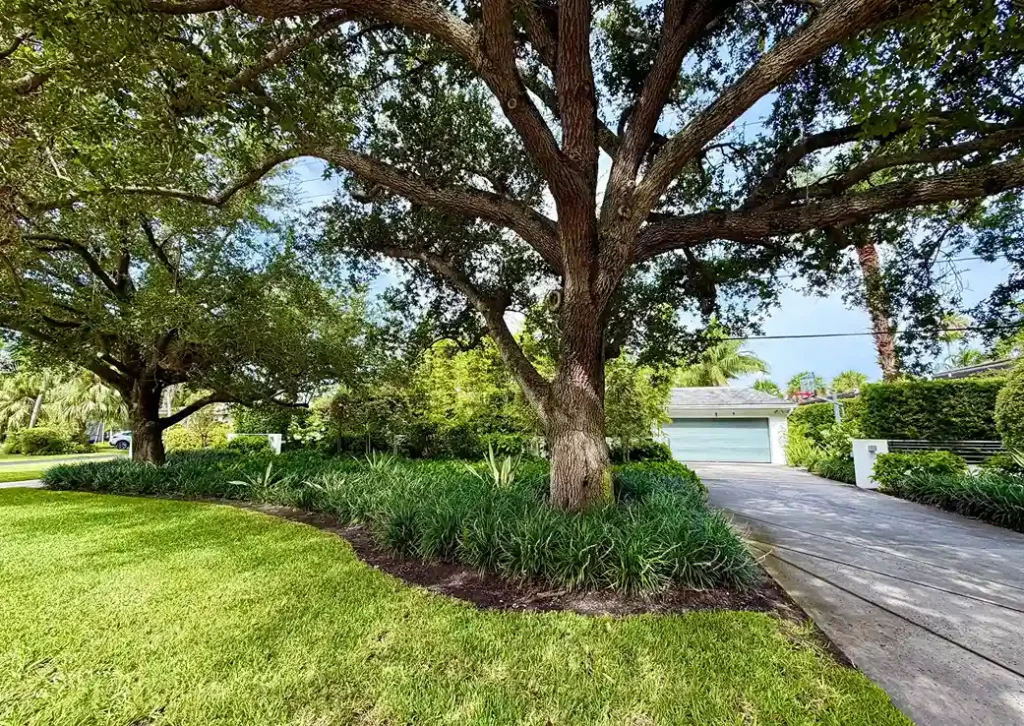
When homeowners begin planning an outdoor transformation, they often encounter two terms that seem interchangeable: landscape design and landscape architecture. While both disciplines focus on creating beautiful and functional outdoor spaces, they serve different purposes and require different levels of expertise.
Understanding the distinction matters because choosing the right professional can significantly impact your project’s success, budget, and long-term performance. Just as a well-designed home requires both vision and technical planning, exceptional outdoor environments depend on the right combination of design creativity and architectural expertise.
How Do Landscape Design and Landscape Architecture Differ?
The primary difference lies in scope, complexity, and technical requirements.
Landscape design focuses on the visual and experiential aspects of an outdoor space. Designers typically work with plant selections, garden layouts, outdoor living areas, lighting concepts, and aesthetic enhancements that improve the beauty and functionality of a property.
Landscape architecture, on the other hand, addresses broader site planning and structural considerations. Landscape architects often work on grading, drainage systems, environmental impacts, permitting requirements, infrastructure integration, and large-scale property development projects.
While both professions share a common goal – creating outstanding outdoor environments – their responsibilities often differ depending on the size and complexity of the project.
What Does a Landscape Designer Do?
A landscape designer focuses primarily on how an outdoor space looks, feels, and functions from a homeowner’s perspective.
Typical responsibilities include:
- Garden and planting design
- Outdoor living space planning
- Patio and seating area concepts
- Plant selection and arrangement
- Seasonal color planning
- Decorative landscape features
- Curb appeal improvements
- Lighting concepts
For many residential properties, landscape design provides everything needed to transform an ordinary yard into an inviting outdoor retreat.
A skilled designer understands how plants mature, how colors interact throughout the seasons, and how people use outdoor spaces. Their work combines creativity with practical functionality to create environments that feel cohesive and welcoming year-round.
What Does a Landscape Architect Do?
Landscape architects typically handle projects that involve greater technical complexity or larger-scale planning.
Their work may include:
- Site analysis and planning
- Drainage and stormwater management
- Grading plans
- Environmental assessments
- Infrastructure integration
- Public spaces and commercial developments
- Permitting and regulatory compliance
- Construction documentation
Landscape architecture often requires formal education, professional licensing, and extensive technical knowledge. These professionals frequently collaborate with engineers, architects, contractors, and government agencies to ensure projects meet safety, environmental, and legal requirements.
For large estates, commercial properties, parks, or properties with significant site challenges, landscape architecture plays a critical role in long-term success.
Which Projects Require Landscape Design?
Many residential projects can be successfully completed with landscape design services alone.
Common examples include:
Residential Garden Renovations
Homeowners seeking updated planting beds, new garden layouts, or enhanced curb appeal often benefit from working with a landscape designer.
Outdoor Living Spaces
Projects involving patios, fire features, outdoor dining areas, and decorative landscaping typically fall within the designer’s scope.
Seasonal Property Enhancements
Improving year-round beauty through strategic plant selections, lighting, and maintenance planning is a core landscape design function.
Property Beautification
When the goal is to elevate aesthetics without major structural changes, landscape design usually provides the ideal solution.
Which Projects Require Landscape Architecture?
Certain projects demand a more technical approach.
Complex Site Conditions
Properties with steep slopes, erosion concerns, or drainage problems often require architectural planning.
Large Estate Development
Extensive properties frequently benefit from comprehensive master planning that integrates multiple outdoor environments into one cohesive vision.
Commercial and Public Spaces
Office campuses, hotels, parks, and public developments typically require licensed landscape architects due to regulatory and infrastructure considerations.
Environmental Challenges
Projects involving wetlands, stormwater management, or sensitive ecological areas usually require specialized architectural expertise.
Can Landscape Design and Landscape Architecture Work Together?
Absolutely.
In fact, many of the most successful outdoor projects combine both disciplines.
A landscape architect may develop the technical framework for a property, addressing grading, drainage, circulation, and infrastructure. A landscape designer can then refine the aesthetic experience by selecting plants, creating outdoor rooms, and shaping the property’s visual character.
This collaborative approach ensures that the space is not only beautiful but also sustainable, functional, and built to perform over time.
Companies that emphasize both design excellence and long-term stewardship often deliver the strongest results because they consider both the artistic and technical aspects of the landscape.
Why Long-Term Care Matters More Than Most Homeowners Realize
One common misconception is that a landscape project ends after installation.
In reality, the most impressive properties achieve their success through ongoing care and stewardship.
Plants mature. Seasons change. Weather conditions shift. Outdoor environments constantly evolve.
Without proper maintenance, even the most beautifully designed landscape can lose its structure, health, and visual impact.
This is where companies like The Green Design Collective differentiate themselves. Rather than viewing landscaping as a one-time project, they approach each property as a living work of art that requires continual attention, refinement, and expert care throughout every season.
How Do You Choose the Right Professional?
The best choice depends on your goals.
You may benefit from a landscape designer if:
- You want to improve aesthetics.
- You’re creating outdoor living spaces.
- Your project focuses on planting and visual enhancements.
- Structural site changes are minimal.
You may need a landscape architect if:
- Your property has grading or drainage issues.
- Permits are required.
- The project involves significant construction.
- Environmental or engineering concerns exist.
For many homeowners, the ideal solution combines both perspectives – technical expertise paired with exceptional design vision.
Creating Lasting Outdoor Spaces Through Design & Architecture
Landscape design and landscape architecture share similar goals, but they serve different functions within the outdoor planning process.
Landscape design focuses on creating beauty, comfort, and memorable outdoor experiences. Landscape architecture addresses the technical framework that allows those experiences to thrive safely and sustainably.
The most successful properties balance both disciplines while supporting them with ongoing care and maintenance. When design, architecture, and stewardship work together, an outdoor space becomes more than a landscape – it becomes a lasting investment that performs beautifully year after year.