


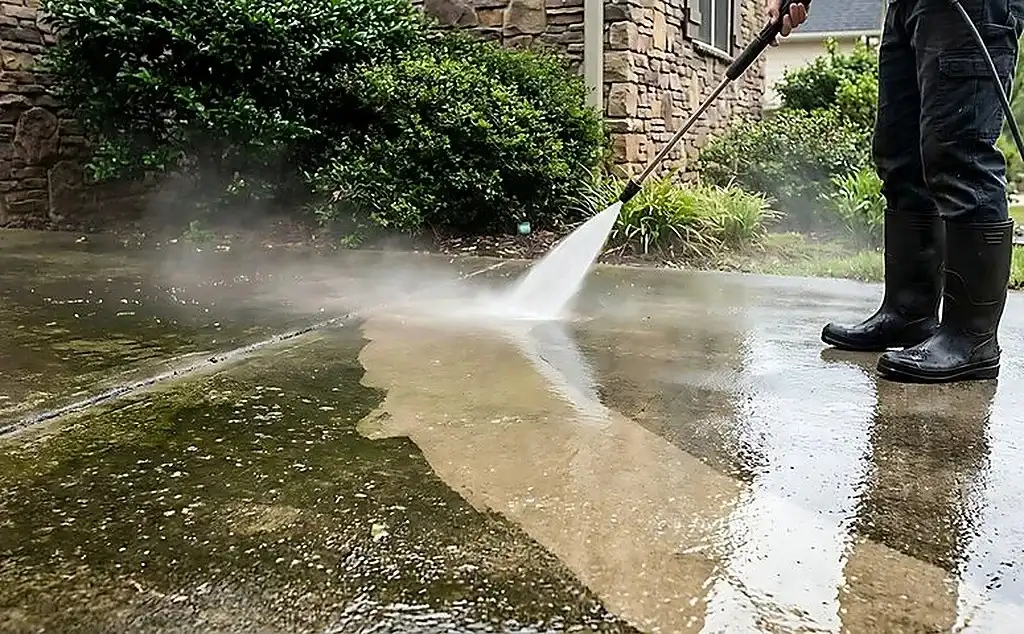
Maintaining a clean, attractive home exterior is an important part of property care in Coral Gables, Florida. The region’s warm temperatures, high humidity, frequent rainfall, and exposure to outdoor debris can cause dirt, algae, mold, and mildew to accumulate on driveways, patios, walkways, roofs, and exterior walls. Regular pressure washing helps restore the appearance of these surfaces while supporting a well-maintained outdoor environment.
However, effective pressure washing involves more than using a powerful machine. Homeowners must understand which cleaning methods are appropriate for different materials, how to protect surrounding landscaping, and when professional exterior cleaning is the better option.
Whether you want to improve curb appeal before selling your home or maintain your property throughout the year, these practical pressure washing tips can help you achieve better results.
Why Is Pressure Washing Important in Coral Gables?
Coral Gables properties experience environmental conditions that can encourage organic growth and surface staining. Humidity and moisture can contribute to algae and mildew on shaded walkways, pool decks, fences, and exterior surfaces. Leaves, dust, and other debris can also collect in outdoor living areas.
Pressure washing removes accumulated grime from suitable hard surfaces, helping driveways, patios, and walkways look cleaner. Routine exterior cleaning can also make it easier to identify surface deterioration, cracks, and drainage problems before they become more noticeable.
The appropriate cleaning frequency depends on the property’s surroundings, surface materials, shade, and exposure to rain. Rather than following a rigid schedule, inspect frequently used outdoor areas regularly and clean them when buildup becomes apparent.
What Surfaces Can You Pressure Wash Around Your Home?
Different surfaces require different cleaning techniques. Selecting the correct pressure setting, nozzle, and cleaning method helps prevent unnecessary damage.
1. Clean Driveways and Walkways Carefully
Concrete driveways and walkways often collect tire marks, dirt, algae, and other stubborn stains. Before cleaning, remove loose leaves and debris, then inspect the surface for cracks or damaged joints.
Use a suitable pressure setting and maintain consistent movement to avoid leaving visible cleaning lines. A surface cleaner attachment can help produce more uniform results across larger concrete areas.
For decorative pavers, check whether the joints contain sand or other materials that could be displaced by excessive pressure. Replacing joint material may be necessary after improper cleaning.
2. Use Gentle Methods on Exterior Walls
House washing requires extra care because stucco, painted siding, brick, and other exterior finishes have different levels of durability.
High pressure can damage stucco, strip paint, force water behind siding, and affect seals around windows and doors. A low-pressure cleaning method, often called soft washing, may be more appropriate for delicate exterior materials.
Test a small, inconspicuous area before proceeding, and avoid directing water into electrical fixtures, vents, openings, or damaged sections of the building.
3. Maintain Patios and Pool Decks
Patios and pool decks can become slippery when algae and organic debris accumulate. Cleaning these surfaces can improve their appearance and help address some sources of surface slipperiness.
Choose a cleaning method suitable for the deck’s material, whether it is concrete, natural stone, tile, or pavers. Avoid aggressive pressure on delicate stone and coated surfaces.
Protect nearby furniture, pool equipment, decorative features, and plants before starting. Ensure that runoff drains appropriately and does not carry cleaning products into the pool or surrounding landscape.
4. Treat Roofs and Gutters as Special Cases
Roof cleaning should not be approached like driveway cleaning. High-pressure washing can damage shingles, dislodge protective granules, and force water beneath roofing materials.
Many roofs require specialized low-pressure methods and cleaning solutions compatible with the roofing material. Because roof work involves fall hazards and potential property damage, hiring a qualified professional is often the safer choice.
Gutters should be inspected for leaves, standing water, and blockages. Use appropriate tools and safe access methods rather than directing high-pressure water into vulnerable joints or under roof edges.
What Should Homeowners Consider Before Pressure Washing?
Before operating a pressure washer, assess the surface condition, nearby landscaping, drainage, and cleaning requirements. The following table provides general planning guidance.
| Surface or consideration | General guidance | Main precaution |
| Concrete driveway | Moderate to higher pressure, adjusted to the surface | Avoid damaging cracked concrete |
| Stucco and painted walls | Low-pressure washing or soft washing | Prevent paint loss and water intrusion |
| Pavers and natural stone | Material-specific cleaning methods | Protect joints and delicate finishes |
| Pool decks and patios | Appropriate pressure and compatible cleaners | Protect coatings and control runoff |
| Landscaping | Cover or pre-wet sensitive plants when appropriate | Prevent chemical exposure and physical damage |
These are general guidelines rather than fixed pressure specifications. The correct approach depends on the material, its condition, and the equipment being used.
How Can You Pressure Wash Safely and Effectively?
Following a few essential precautions can help homeowners avoid common pressure washing mistakes.
1. Prepare the Area Before Cleaning
Move outdoor furniture, planters, rugs, and other removable items away from the cleaning area. Close windows and doors, protect vulnerable electrical components, and check that water can drain safely.
Remove loose debris before washing so that dirt does not spread across the surface. If you use a cleaning solution, verify that it is compatible with the material and safe for the surrounding environment.
2. Start With Lower Pressure
One of the most common mistakes is assuming that higher pressure always produces better results. Excessive pressure can damage paint, wood, grout, soft stone, and other vulnerable materials.
Begin with a lower setting and test a discreet area. Maintain a consistent distance from the surface and increase pressure only when necessary and appropriate for the material.
3. Protect Plants and Outdoor Features
Pressure washing can affect garden beds, grass, delicate foliage, and newly planted shrubs. Direct spray can break stems, remove leaves, and disturb exposed soil.
Before cleaning, identify nearby plants and adjust your approach accordingly. Avoid allowing concentrated cleaning chemicals to enter planting beds, storm drains, or waterways. Always follow product instructions for dilution, application, and disposal.
4. Use Protective Equipment
Wear suitable eye protection and nonslip footwear, and follow the equipment manufacturer’s safety instructions. Never point a pressure washer at people or pets, and avoid using ladders while operating high-pressure equipment.
If you encounter damaged electrical equipment, unstable surfaces, significant mold growth, or difficult roof access, stop and consider professional assistance.
When Should You Hire a Professional Pressure Washing Company?
Professional pressure washing can be a practical choice when cleaning large driveways, extensive patios, multi-surface properties, or delicate exterior finishes. Experienced technicians can select appropriate equipment, cleaning solutions, and pressure levels for different materials.
For homeowners seeking professional exterior cleaning in the area, The Green Design Collective offers residential and commercial pressure washing services in Miami and serves properties across South Florida, including Coral Gables. Its services address common exterior cleaning needs involving dirt, algae, mold, mildew, and accumulated grime.
An experienced designer or landscape professional can also help homeowners coordinate exterior cleaning with garden maintenance, irrigation, and hardscape care. Although a landscape designer firm primarily focuses on outdoor planning and design, coordinating these services can help maintain a consistent appearance across the property.
The Green Design Collective combines landscape design, lawn maintenance, irrigation services, and pressure washing. This broader approach may be useful when your driveway, walkways, planting beds, and outdoor entertaining areas need attention as part of a unified property maintenance plan.
How Often Should You Pressure Wash Your Coral Gables Home?
There is no universal cleaning schedule for every property. Homes surrounded by trees, properties with shaded walkways, and outdoor spaces exposed to frequent foot traffic may need cleaning more often than relatively sheltered areas.
Inspect your driveway, patio, exterior walls, and pool deck periodically. Clean surfaces when visible dirt or organic growth appears, while avoiding unnecessary washing that could wear down finishes or disturb surrounding landscaping.
The Green Design Collective can help homeowners explore professional residential pressure washing options suited to their property’s exterior cleaning needs.
Keep Your Coral Gables Property Clean and Well Maintained
Pressure washing is an effective way to refresh suitable exterior surfaces, improve curb appeal, and maintain attractive outdoor living spaces. The best results come from matching the cleaning method to the surface, using appropriate pressure, protecting landscaping, and following essential safety precautions.
For Coral Gables homeowners, a proactive approach to exterior maintenance can help keep driveways, patios, walkways, and other outdoor areas looking their best. When a project involves delicate materials, stubborn stains, or hard-to-reach areas, professional pressure washing can provide a safer and more consistent solution.
With careful planning and regular maintenance, you can protect your property’s appearance and enjoy a cleaner, more welcoming home exterior throughout the year.
FAQs
How often should I pressure wash my home in Coral Gables?
Most homeowners should inspect exterior surfaces regularly and pressure wash them when dirt, algae, or mildew becomes visible. The ideal frequency depends on humidity, shade, rainfall, and surface conditions.
What surfaces can be pressure washed around my Coral Gables home?
Suitable surfaces include concrete driveways, walkways, patios, and certain outdoor hardscapes. Stucco, painted walls, natural stone, and pool decks may require lower pressure or specialized cleaning methods.
Is pressure washing safe for plants and landscaping?
Pressure washing can damage delicate plants and landscaping if performed carelessly. Protect nearby vegetation, control runoff, and prevent cleaning chemicals from entering garden beds or storm drains.
What is the difference between pressure washing and soft washing?
Pressure washing uses pressurized water to remove dirt and buildup from suitable surfaces. Soft washing relies on low-pressure application and, when appropriate, specialized cleaning solutions to clean delicate materials such as certain exterior walls and roofs.
Should I hire a professional pressure washing company in Coral Gables?
Hiring a professional can be beneficial for large driveways, delicate exterior surfaces, stubborn stains, and difficult-to-access areas. Experienced technicians can select appropriate cleaning methods to help protect your property and landscaping.